
In the fast-evolving world of display technology, the question of whether a portable monitor can truly replace your main display is more relevant than ever. As remote work, digital nomadism, and flexible office setups become the norm, Shenzhen Jingshu Technology Co., Ltd (hereafter referred to as Jingshu Technology) is at the forefront of delivering innovative portable monitor solutions. In this article, we explore the viability of using portable monitors as primary displays, industry trends, and how Jingshu Technology is shaping the future of mobile productivity.
Why Consider a Portable Monitor as Your Main Display?
Portable monitors have surged in popularity due to their lightweight designs, high-resolution panels, and plug-and-play functionality. With the advent of USB-C and HDMI connectivity, these monitors can now deliver performance that rivals traditional desktop displays. For professionals constantly on the move, students, and gamers, portable monitors offer unmatched flexibility.
Jingshu Technology has recognized this shift and invested heavily in research and development to produce portable monitors that meet the demands of modern users. Their latest models feature ultra-thin bezels, vibrant IPS panels, and touch-screen capabilities, making them compelling alternatives to standard monitors.
Performance Comparison: Portable Monitor vs. Traditional Display
When evaluating whether a portable monitor can replace your main display, several factors come into play:
all in one pc jsa3
all in one pc jsa6
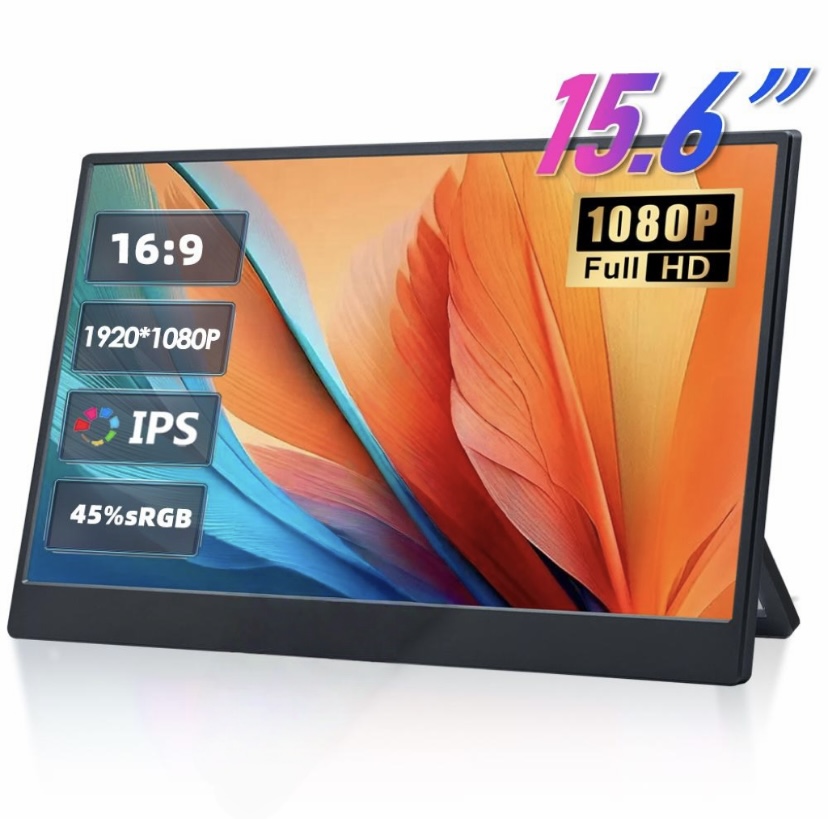
15.6inch portable monitor
27inch gaming monitor curved c2
- Display Quality: Modern portable monitors from Jingshu Technology offer resolutions up to 4K with wide color gamuts, ensuring crisp visuals for work and entertainment.
- Portability: Weighing as little as 1.5 pounds and measuring less than half an inch thick, these monitors are designed for easy transport without sacrificing screen real estate.
- Connectivity: Equipped with USB-C, HDMI, and sometimes even wireless options, portable monitors can seamlessly connect to laptops, smartphones, gaming consoles, and more.
- Power Efficiency: Many models can be powered directly via USB-C, eliminating the need for bulky power adapters.
However, there are still some limitations when compared to high-end desktop monitors. For instance, refresh rates and color accuracy may not always match those of professional-grade displays designed for graphic design or video editing. But for most everyday tasks, portable monitors provide more than enough capability.
Industry Trends: The Rise of Portable Display Technology
The portable monitor market has experienced exponential growth over the past few years. According to market research, the global portable monitor market is projected to reach $2.5 billion by 2028, driven by advancements in display technology, increased remote work, and the proliferation of compact computing devices.
Jingshu Technology is one of the key players capitalizing on these trends. The company’s innovation pipeline includes monitors with integrated batteries, 120Hz refresh rates, and even OLED panels. Their commitment to quality and user experience positions them as a leader in the industry.
Key Industry Developments
- Mini-LED and OLED Integration: High-end portable monitors are starting to feature Mini-LED and OLED technology for better contrast and color accuracy.
- Touch and Stylus Support: Touch-enabled portable monitors are gaining traction among creative professionals and students alike.
- Wireless Connectivity: With the rise of Wi-Fi 6 and Bluetooth 5.0, wireless portable monitors are becoming a reality, further enhancing mobility.
- Eco-Friendly Initiatives: Manufacturers, including Jingshu Technology, are exploring sustainable materials and energy-efficient designs.
Case Study: Jingshu Technology’s Flagship Portable Monitor
To illustrate the potential of portable monitors, consider Jingshu Technology’s latest flagship model. This monitor features a 15.6-inch 4K IPS panel, 100% sRGB coverage, and USB-C power delivery. It’s compatible with Windows, macOS, Android, and even select gaming consoles, making it a versatile choice for a wide range of users.
| Feature | Specification |
| Screen Size | 15.6 inches |
| Resolution | 3840 x 2160 (4K) |
| Panel Type | IPS |
| Connectivity | USB-C, HDMI |
| Weight | 1.6 lbs |
| Touch Support | Yes |
This model is a testament to how portable monitors are closing the gap with traditional desktop displays, offering both performance and portability.
Portable Monitor vs. Secondary Monitor: Which Is Right for You?
While portable monitors are often used as secondary displays, Jingshu Technology’s advancements have made them viable as primary monitors for many users. The choice depends on your specific needs:
- If you require the highest color accuracy and refresh rates for professional content creation, a traditional desktop monitor may still be preferable.
- If you value flexibility, travel frequently, or have limited desk space, a portable monitor from Jingshu Technology can serve as an excellent main display.
The keyword portable monitor is becoming synonymous with modern productivity, while the term secondary monitor is gradually being redefined thanks to innovations in the industry.
Conclusion: The Future of Portable Displays
As technology continues to advance, the line between portable and primary monitors is blurring. Jingshu Technology is at the helm of this transformation, delivering high-quality, feature-rich portable monitors that are increasingly capable of replacing traditional main displays. Whether for work, study, or entertainment, the latest portable monitors offer a compelling blend of performance, mobility, and value.
In summary, while there are still niche applications where a traditional monitor has the edge, for most users, a portable monitor from Jingshu Technology can now confidently serve as the main display—heralding a new era of flexible, on-the-go productivity.